Mold Remediation in Hagerstown
Mold Inspection, Removal & Remediation in Hagerstown, MD
Concerned about mold? Call to speak with a local mold pro
Mold Remediation in Hagerstown
Concerned about mold? Call to speak with a local mold pro
Mold can start with a small leak, a damp basement, poor ventilation, or water that never fully dried. Once moisture remains, mold can spread across building materials and create a problem that is difficult to solve with surface cleaning alone. Mold Remediation Hagerstown connects homeowners with independent local pros who help them and homeowners in Hagerstown and nearby communities understand what is happening and take practical steps to address it.
The primary service is mold remediation, supported by mold inspection and testing, black mold removal, basement and crawl space mold removal, attic mold removal, and remediation after water damage. A local pro typically focuses on identifying the source of moisture, containing affected areas, removing impacted materials when appropriate, and leaving the space cleaner and drier.
The sections below describe each of those services on their own: what the work is, when it is worth calling, and what a visit covers. The service pages go into the same topics in more detail. You do not need to open them to understand the work or the planning ranges.
Mold Remediation Hagerstown is a referral service built around a simple idea: local homeowners should be able to reach an independent local mold pro and get straightforward answers when moisture and mold show up. The providers it connects you with work across Hagerstown, Washington County, and surrounding areas, where older homes, finished basements, crawl spaces, seasonal humidity, and water intrusion can all create different remediation challenges.
Not every musty smell calls for the same treatment. A local pro typically looks at the affected area, asks what happened, and explains what needs attention before work begins. Whether the problem is concentrated in a basement, attic, crawl space, or an area affected by a recent leak, a local pro typically keeps the process practical and easy to understand.
More about this site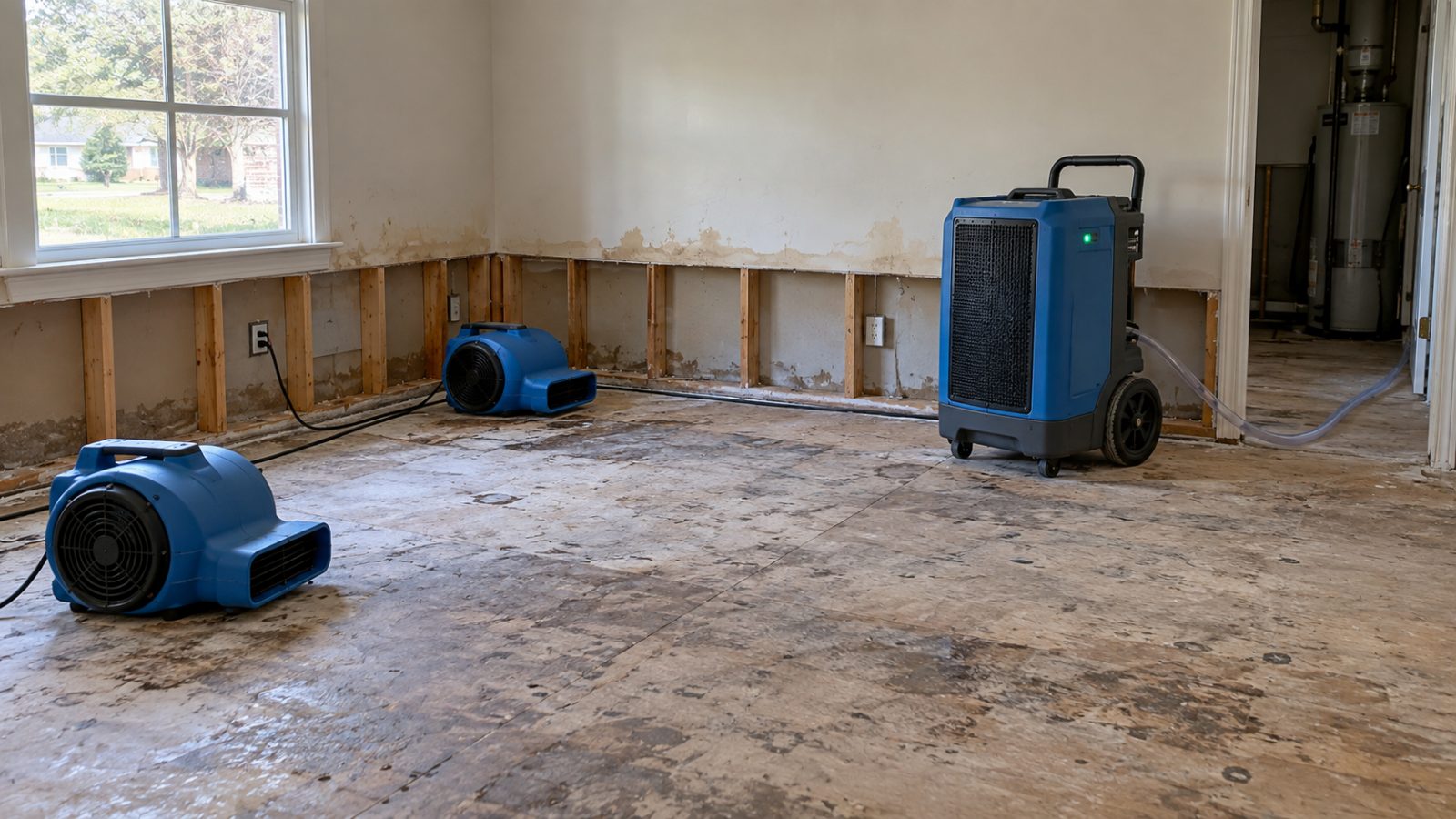
Mold remediation is the work of dealing with mold that has taken hold in a building, not a quick wipe of a stain. The goal is to address the affected area, remove or clean materials as appropriate, and deal with the moisture conditions that allowed the mold to develop. Mold Remediation Hagerstown connects homeowners with independent local pros who provide that work for homes in Hagerstown, Washington County, and surrounding areas. Each project is based on where the mold is, how extensive the affected area appears, which materials are involved, and what caused the moisture. That cause may be a leak, flooding, or another kind of water damage.
Remediation is worth discussing when you can see mold, when a musty odor keeps coming back, or when growth returns after surface cleaning. It is also a reasonable next step when the affected area is more than a small spot, when drywall, wood, or insulation looks damaged, or when the source of the moisture is unclear. A contained patch and a problem that has moved into finished walls are not the same job, and the visit is how a local pro typically tells them apart.
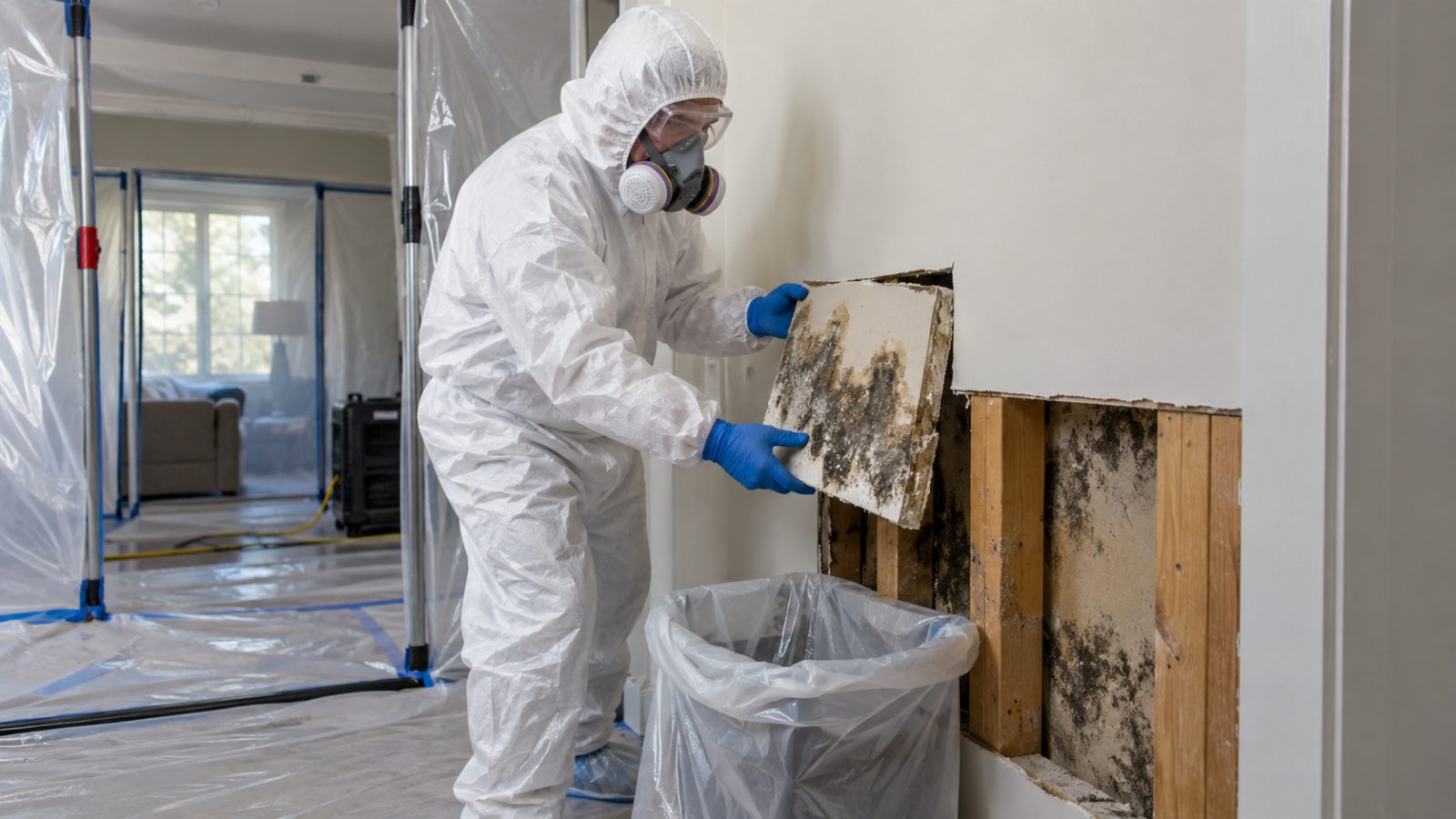
On a remediation visit a local pro typically looks at visible growth, staining, odors, moisture conditions, and the materials around them so the scope matches the property. Where it is appropriate, affected materials are isolated and then removed or cleaned using methods suited to the material. A local pro typically reviews moisture sources that commonly sit behind the growth: leaks, condensation, damp foundations, plumbing problems, and ventilation issues. The affected area is then cleaned as appropriate, with attention to remaining dust, debris, odors, and conditions that could encourage mold to return. Before any of that work starts, a local pro typically explains what is being recommended and why.
A mold inspection looks at the building conditions around a suspected problem, not only at one visible spot. It is used to identify affected areas, moisture conditions, and other signs that deserve attention. Testing can add information when the source or the extent of the concern is unclear. A test result is one piece of information. A local pro typically puts it next to what is visible, what is damp, what smells musty, and what you already know about the property.
People usually ask for an inspection when a room smells musty, when they see suspicious growth, or when they find signs of past water damage and want to know what those signs mean. Testing is not required for every visible mold problem. When growth is already obvious, the more useful questions are often where it came from, how far it extends, and which materials are affected. Testing is more useful when the situation is uncertain or when you want additional information before deciding whether remediation is the right next step.
The visit starts with what you have noticed: odors, visible growth, a previous leak, or other water damage. A local pro then looks at the spaces connected to that concern. That includes discoloration, staining, suspected growth, and the materials around them, plus damp materials, condensation, leaks, and other moisture indicators. Persistent odors can point to an area that needs a closer look even when visible growth is limited. If testing would help, a local pro typically explains the approach, what the results can help establish, and the limits of that information. After the inspection a local pro goes through the findings in plain language, including which areas need attention and which options are available.
Black mold removal, as the term is used here, is remediation for areas with suspected or visible dark mold growth. Dark color is alarming, but appearance alone cannot tell you the type of mold. The practical questions are where the growth is, how extensive it is, which materials are affected, and what moisture condition allowed it to develop. The work focuses on those conditions rather than on the color of the growth.
This service is for a property where dark growth has already been found, especially when it covers more than a wipeable spot or sits on materials that have been wet. It is better to have the area assessed before a larger patch is disturbed. Scraping or spraying dark growth without knowing the extent can move material into nearby rooms. Color by itself is not a reason to assume a particular species or a particular scope of work.
A visit identifies where the visible growth is and considers the surrounding materials and moisture. When the situation calls for it, the affected work area is separated from portions of the property that are not part of the work, so growth is not disturbed more than necessary. Materials are then cleaned or removed according to their condition and the plan that was explained beforehand. Some surfaces can be cleaned. Porous materials that are heavily affected may need to come out. A local pro also looks for the water or humidity behind the growth, including leaks, dampness, and ventilation, so the same condition is not simply left in place.
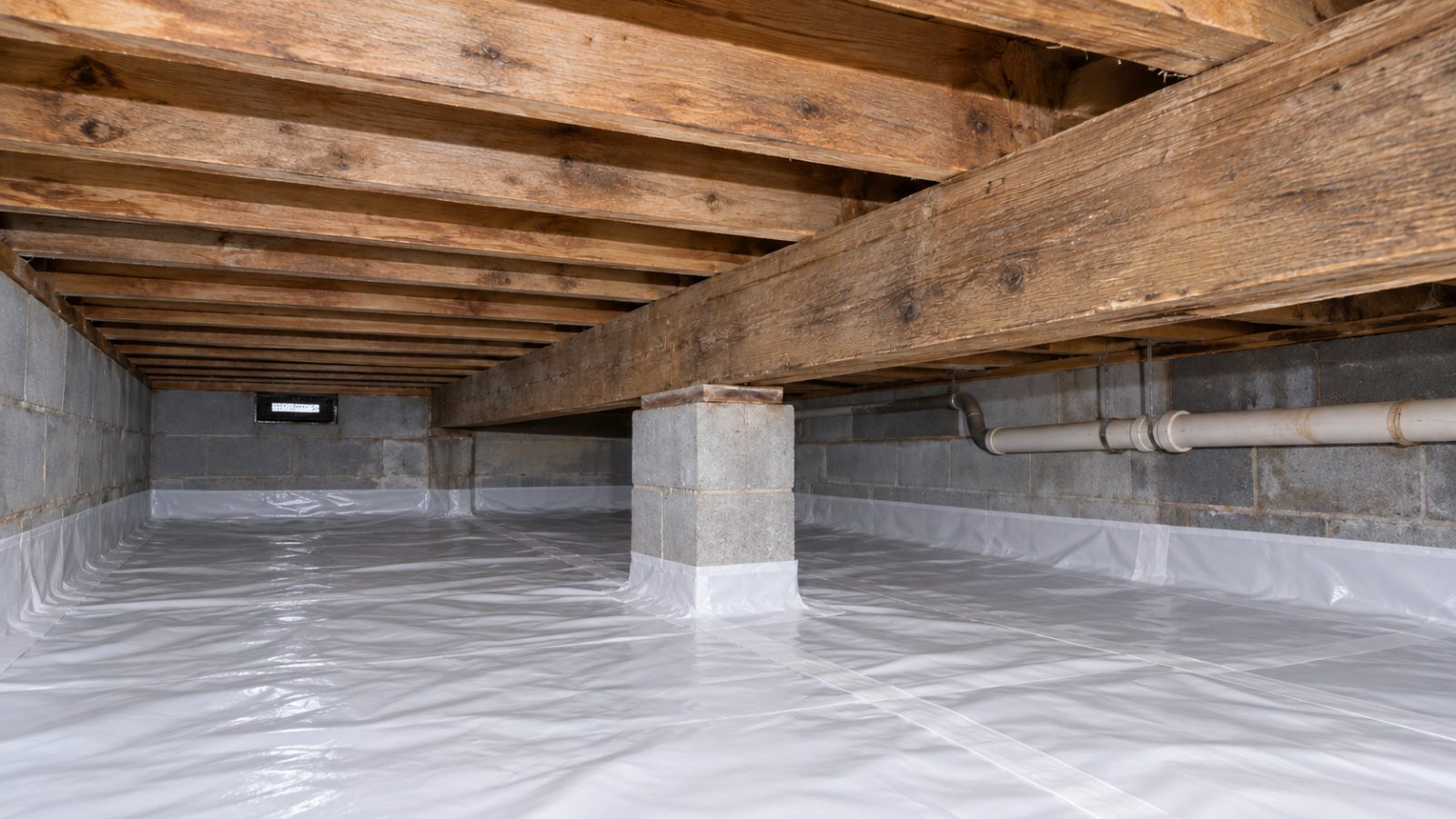
Basement and crawl space mold removal is one service for the lower level of a property. Basements and crawl spaces are grouped together because both can stay cool, damp, poorly ventilated, or exposed to moisture from the ground and foundation. Mold in either space can grow on wood, insulation, drywall, stored materials, or other surfaces. The approach is built around the actual condition of that basement or that crawl space, not around a single treatment for every lower level.
Call about this service when a basement or crawl space smells musty, shows visible mold, or stays damp. A small leak or a long stretch of humidity is enough to start growth. If mold in a basement keeps returning, the cause is often still there: water intrusion, condensation, damp materials, or moisture that is not being controlled. Cleaning the visible growth and leaving those conditions alone is a common reason the same area looks bad again later.
The visit covers the lower level that is affected, whether that is the basement, the crawl space, or both. A local pro typically looks at visible growth, odors, and damp materials. That includes foundation areas and penetrations that let moisture in, wood framing in a crawl space that has stayed damp, and insulation or drywall that has been wet long enough to need different handling than a hard surface. A local pro typically considers leaks, foundation moisture, condensation, and ventilation. A local pro then says which areas appear affected and which cleaning, removal, and containment steps fit those areas. These spaces are often tight, dark, and difficult to reach, so access is part of the plan. After the agreed work, a local pro typically reviews the area and talks through practical steps for moisture control.
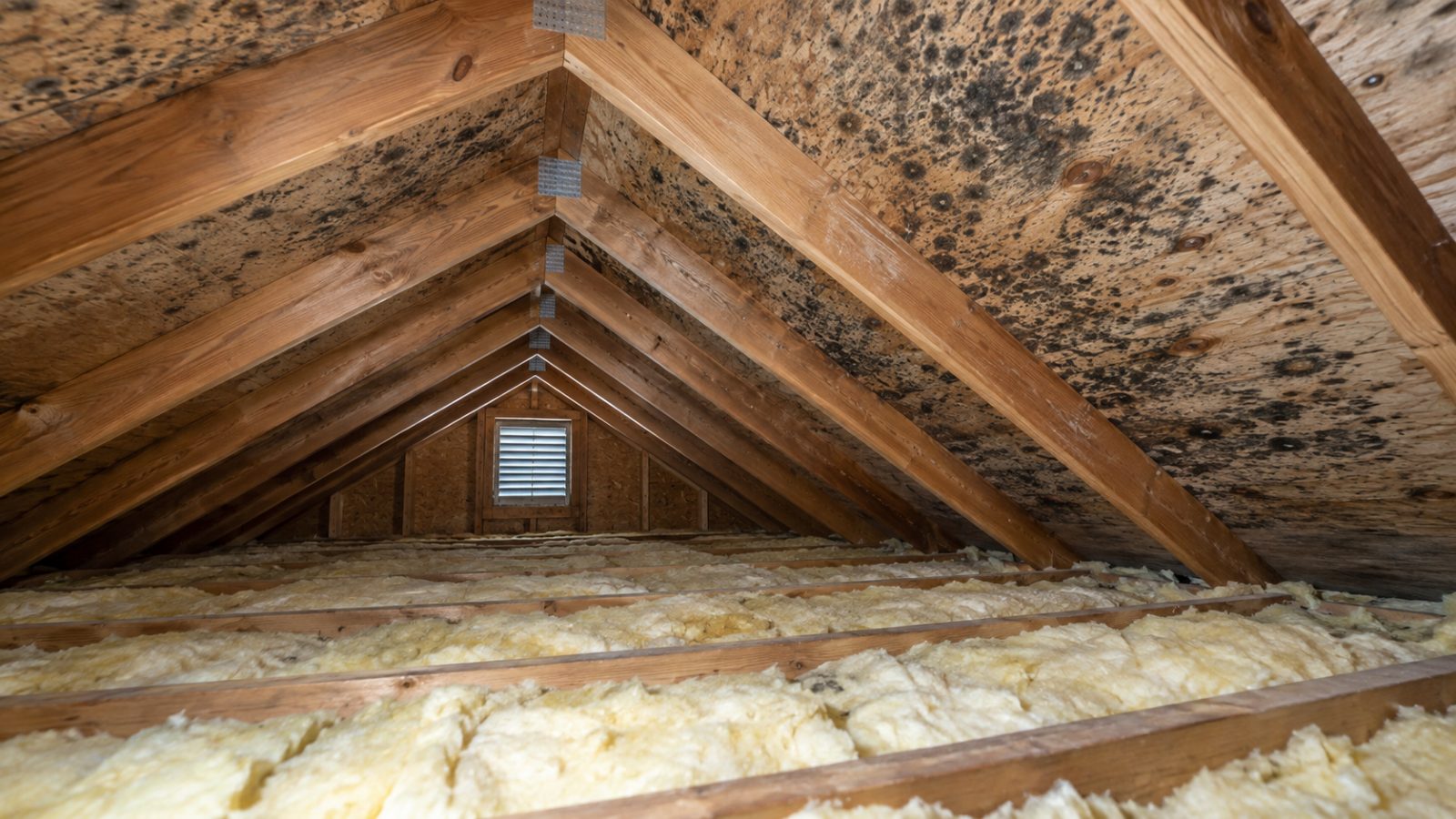
Attic mold removal is remediation for mold on attic wood, insulation, and the surfaces around them, along with the moisture and ventilation conditions that allowed it. Attics are rarely visited, so growth on roof decking or framing can be well underway before anyone sees it. The plan takes in roof decking, framing, insulation, ventilation, and signs that water has been getting in.
This is the service to ask about when you find mold on attic wood or insulation, when the attic smells musty, or when staining shows up after a roof problem or a ventilation problem. A roof leak is one possible cause. Attic mold can also be tied to condensation, poor airflow, or moisture from exhaust that was never vented outdoors. Because the space is out of daily view, the affected area may be larger than the first patch you notice from the hatch.
On site a local pro typically inspects accessible attic areas for visible growth, moisture indicators, affected materials, and ventilation concerns. Roof decking can stay damp from condensation or leaks. Wood framing can develop mold when moisture remains trapped overhead. Insulation may need different handling depending on the material and how wet it has been. Poor airflow can keep feeding condensation even after visible growth is cleaned. A local pro typically identifies what can be addressed by cleaning and what may need to be removed, then does the agreed work. Afterward a local pro typically reviews the area and discusses practical steps that can help keep attic moisture down. Removal of the visible growth, by itself, does not fix a leak or a ventilation problem that is still wetting the space.
Mold remediation after water damage is for properties where a leak, flood, or other water event has left materials wet and mold has developed, or where the materials are still damp enough that mold is a direct concern. Leaking pipes, roof problems, appliance failures, basement water, and flooding can all leave moisture in places that are hard to see. The work focuses on the affected materials, the moisture that is still present, and the steps needed to bring the space back to a cleaner and drier condition.
It is time to look at this service after water damage if materials stayed wet, if you can see growth, or if a musty smell showed up once things looked dry on the surface. The sooner the moisture is understood, the easier it is to keep a small wet area from becoming a larger project. Mold can begin on damp materials when conditions are favorable. How fast that happens depends on the material, the temperature, the humidity, and how long the moisture remains. There is no single clock that fits every leak.
The visit starts with the water event: where the water came from, which areas were affected, and how long the materials may have been exposed. A local pro then looks for visible growth, damp materials, odors, and other indicators. A plumbing leak behind a wall, under a fixture, or around an appliance can leave hidden moisture. Roof water can affect ceilings, attic materials, insulation, and framing. Basement intrusion and prolonged dampness can put mold on porous materials. A flooded area may need a careful look at moisture before remediation begins. A local pro typically explains which areas and materials require attention, then carries out the agreed work. Different materials respond differently to water, so the scope follows what was actually affected.
There is no flat price for mold work in Hagerstown. HomeAdvisor publishes national figures that are useful for early planning. What you would actually pay depends on the affected area, the materials, access, the moisture source, and containment, and is set by the independent provider after looking at the home.
| Item | Typical published range (national) |
|---|---|
| Typical mold remediation project | $1,223–$3,757 (average about $2,368) |
| Remediation, per square foot of affected area | $10–$25 |
| Basic mold testing | $250–$350 |
| More comprehensive testing with lab analysis | $450–$800 |
| Bathroom | $500–$1,000 |
| Crawl space | $500–$2,000 |
| Basement | $500–$3,000 |
| Attic | $1,000–$4,000 |
| Wall | $1,000–$20,000 |
| HVAC or AC system | $3,000–$10,000 |
| Whole house | $10,000–$30,000 |
Source: HomeAdvisor, “How Much Does Mold Remediation Cost?” (national data, updated June 19, 2026). These are national planning figures, not quotes and not local prices. The actual price depends on the affected area, materials, access, containment, and the moisture source, and is set by the independent provider.
This is the sequence a local pro typically uses for mold remediation. Inspection, dark-mold cleanup, lower-level work, attic work, and work after a water event follow the same order. The details change with the space. Nothing below is a promise about timing or a fixed scope.
A local pro typically starts by learning where you found mold, what you have noticed, and whether there has been a leak, flooding, condensation, or another moisture event. For an inspection, that includes odors, visible growth, and earlier water damage. After a leak, a local pro also asks where the water came from and how long materials may have stayed wet.
You do not need a technical description. The point of this step is to know which part of the property to look at first and whether the question is “what is this?” or “this area needs to be remediated.”
A local pro typically examines the relevant spaces and materials to understand the apparent extent of the problem and determines what needs attention. Depending on the call, that may be visible growth, staining, and odors in a living area; damp materials during an inspection; dark growth and the surfaces around it; a basement or crawl space; or attic decking, framing, insulation, and ventilation.
The assessment is what the later scope is based on. A local pro does not treat a musty smell and a flooded room as the same finding.
A local pro typically explains the recommended approach before work begins. That explanation covers affected materials, containment when it is appropriate, what would be cleaned, what may need to be removed, and moisture-related concerns. If testing would add useful information, a local pro typically says what it can help establish and what it cannot.
If the open question is whether mold is present and where, the next step may be inspection rather than removal. You should know which of those you are agreeing to.
The agreed remediation work is carried out with care for the property and the surrounding living areas. Affected materials are isolated when that fits the situation, then cleaned or removed based on their condition. A hard surface and a piece of drywall or insulation that stayed wet are not handled the same way.
Heavily affected porous materials may need to come out even when a nearby surface can be cleaned. The scope stays with what was explained, not with a general pass over the whole house.
A local pro typically reviews the completed area and discusses practical steps for keeping moisture under control. That includes leaks, damp materials, ventilation, and other conditions that allowed the growth. Mold can return if that moisture problem is still present, so the review is part of the job rather than an optional extra.
The review is a walkthrough of what was done and what still needs attention. It is not a guarantee that mold will never appear on the property again. Warranty terms depend on the individual provider.
A one-minute overview from Mold Remediation Hagerstown covering mold remediation, moisture concerns and assessment questions.
This site covers Hagerstown and surrounding communities throughout Washington County and surrounding areas. The service area includes Halfway, Robinwood, Fountainhead-Orchard Hills, and Boonsboro in Maryland, along with Waynesboro and Greencastle in Pennsylvania.
If you have discovered visible growth, a persistent musty odor, damp building materials, or signs of a past leak, ask for an estimate so a local pro can discuss the situation and the appropriate next step.
A local pro typically explains what they see, what may be causing the moisture, and which parts of the property need attention without burying you in technical language.
A local pro typically concentrates on the affected area and the conditions that allowed mold to develop rather than treating every property problem as the same.
This site covers Hagerstown and nearby Maryland and Pennsylvania towns as part of the regular service area.
Removing visible mold is only part of the job. A local pro typically pays attention to leaks, damp materials, ventilation, and other conditions that can allow mold to return.
Visible mold, a musty odor that keeps returning, or mold that comes back after you clean it can mean the moisture problem is larger than the spot you can see. Remediation is also worth discussing when the affected area is extensive, when materials are damaged, or when you cannot tell where the moisture is coming from. A small, clearly limited area is a different conversation from growth in walls, insulation, or a lower level. A local pro can look at what you are describing and say whether an inspection or remediation is the more sensible first step.
Yes. Both are part of the same lower-level service. Basement mold often develops because of moisture, condensation, leaks, or poor air movement. Crawl space mold often shows up on wood framing and other materials that stay damp. A local pro typically assesses the space you actually have, identifies likely moisture sources, and builds the remediation approach around that space, including access. A tight crawl space and a finished basement are not planned the same way.
Not necessarily. When you can already see mold, the more important questions may be where it came from, how extensive it is, and which materials are affected. Testing is not required for every visible problem. It can still be useful when the situation is uncertain or when you want additional information about indoor conditions. A local pro typically explains what a test can and cannot tell you, and they put any result next to visible conditions, moisture, odors, and the property itself.
HomeAdvisor’s national cost guide (updated June 19, 2026) puts a typical mold remediation project at $1,223–$3,757, with an average of about $2,368, or roughly $10–$25 per square foot of affected area. Those are national figures, not a quote and not local prices; the table on this page and the source link in the footer give the details. Cost moves with the size of the affected area, the materials, accessibility, moisture conditions, containment, and how much has to be removed. A project-specific figure comes from looking at the property.
Yes, it can, if the moisture that allowed it to grow is still present. That is why remediation includes attention to the source of moisture and to conditions that could support future growth, such as leaks, damp materials, and ventilation. Cleaning a stain and leaving a wet material in place does not hold. A local pro will tell you what they see in that regard. No one can promise that mold will never return. Warranty terms depend on the individual provider.
Mold can begin developing on damp materials when conditions are favorable. The timing depends on the material, the temperature, the humidity, and how long the moisture remains. There is no single number of hours that fits every leak in Washington County. If materials stayed wet, or if an odor showed up after a leak, roof problem, appliance failure, basement water, or flood, it is reasonable to have the affected area assessed rather than waiting to see whether growth becomes obvious.
It depends on the extent of the growth and how much moisture the drywall has taken on. Some situations allow appropriate cleaning. Heavily affected porous materials, including drywall that stayed wet, may need to be removed. A local pro typically says which of those applies after looking at the material, not from a photo of a stain alone.
No. A roof leak is one possible cause. Attic mold can also be associated with condensation, poor ventilation, or moisture that was exhausted into the attic instead of outdoors. An attic visit looks at decking, framing, insulation, and airflow so the likely contributors are on the table before anyone talks about removal alone.
Avoid disturbing a larger affected area, and look for the reason the area got wet. Color does not identify the type of mold. An assessment looks at location, extent, materials, and moisture, then recommends containment when it is needed, cleaning or removal based on the material, and attention to the moisture source. The national figures in the table above are a planning reference, not a quote.
Homeowners: describe what you are seeing and get connected with an independent local mold pro. A quote over the phone is available when the situation allows.